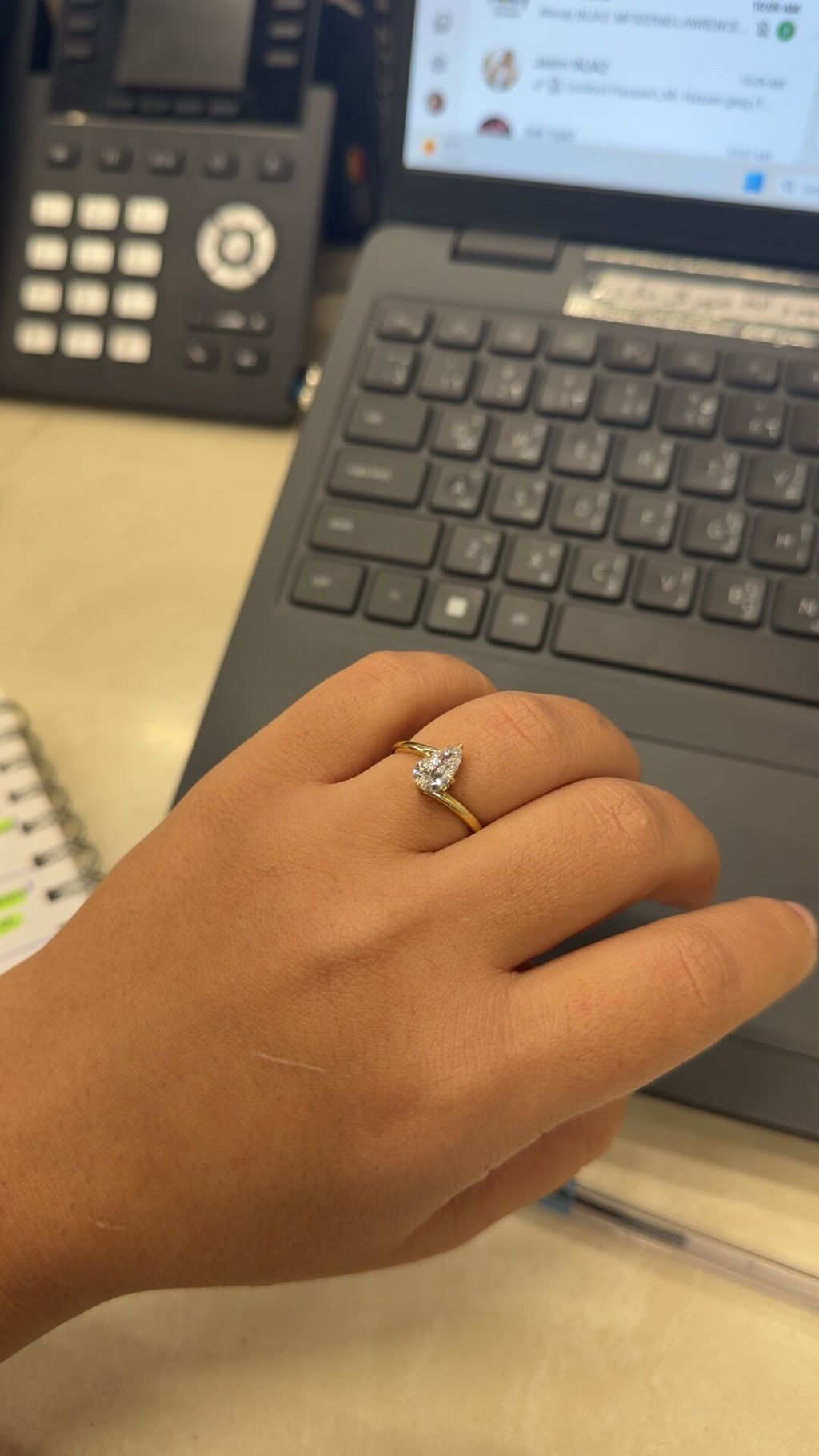
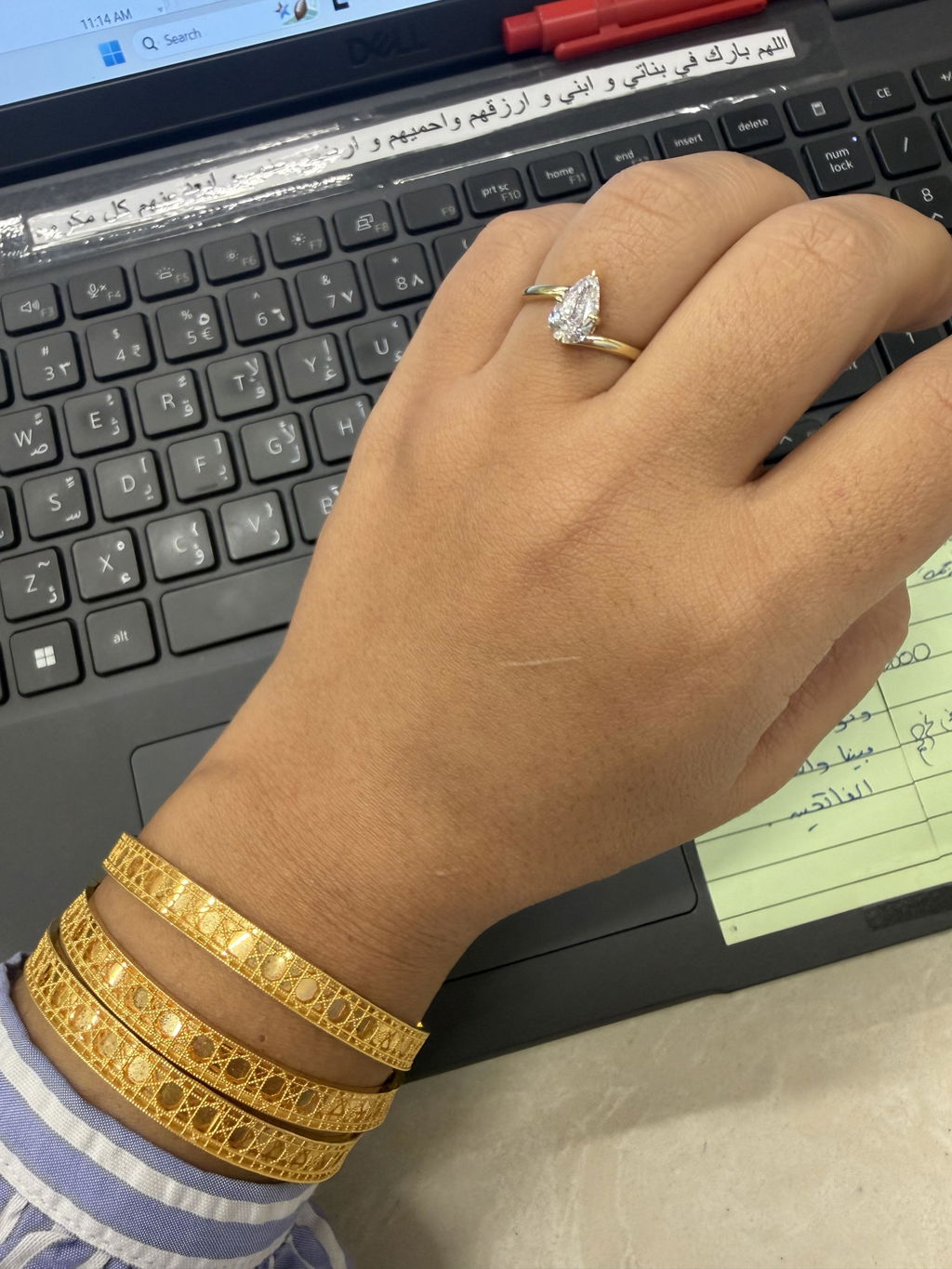
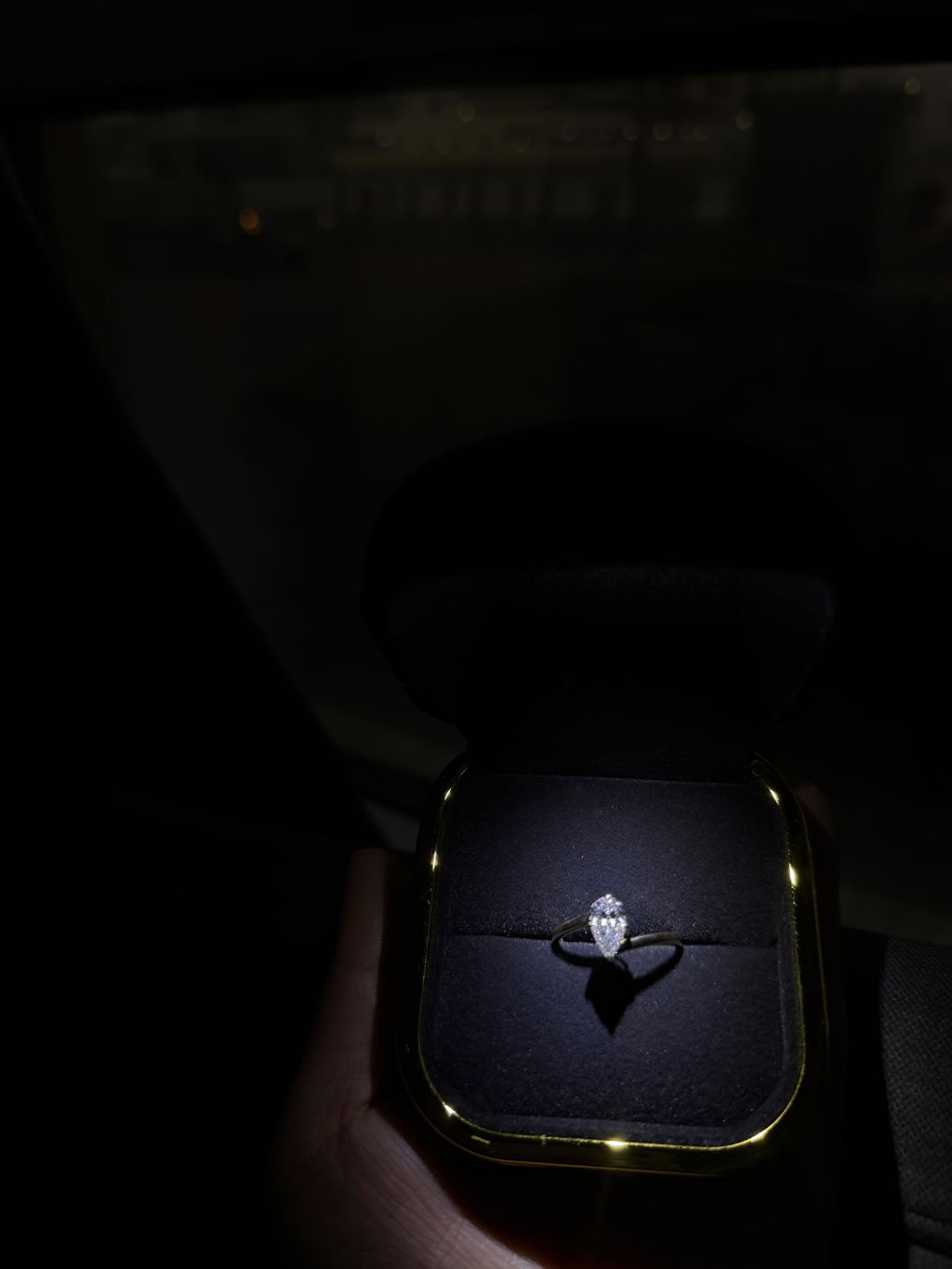
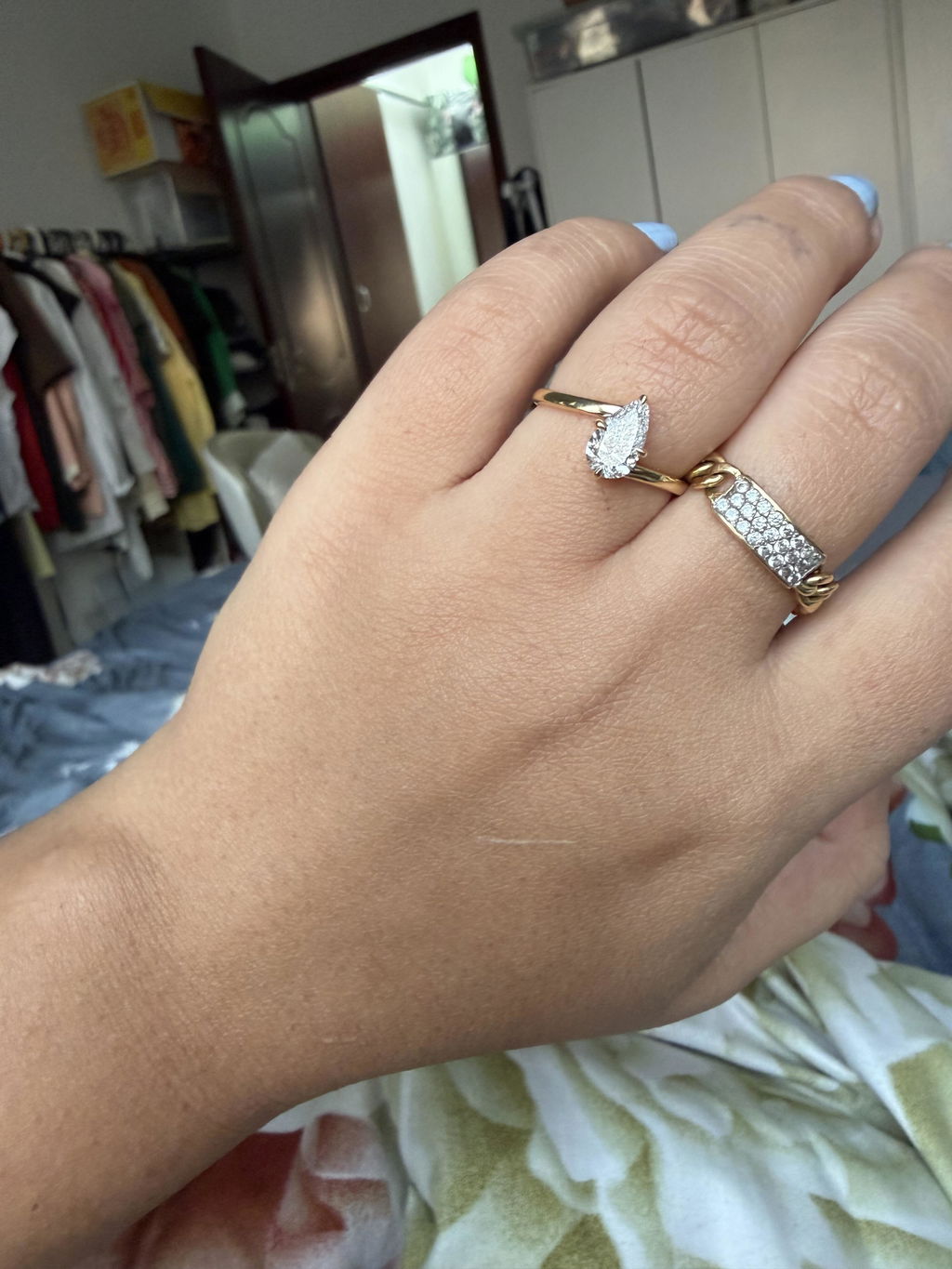
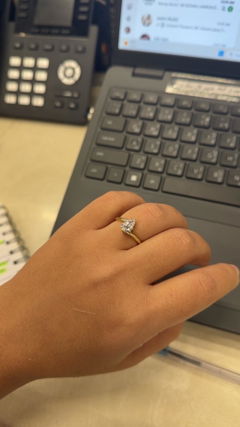
1.20 Ct Pear With Side Pavé Band 1.00 Ct Center

Lab Grown Diamond
د.إ.‏4,216.00
د.إ.‏4,216.00
د.إ.‏5,561.00
Save 24%

Duties & Taxes Included.

coupon auto applied at checkout, Add to Cart to get this at
  • See all offers (all offers can be used together).
  • 20% OFF applied at checkout using code
    mouse-click
  • On your first purchase, earn 10% cashback — credited to your Buvea Wallet after purchase and usable on future orders.
  • On your second purchase, earn 15% cashback — credited to your Buvea Wallet after purchase and usable on future orders.
  • Free Gift Above 3000 AED - Limited Time Offer
10 customers are viewing this product
BUJ 1052
Gold Type: White Gold
Gold Purity: 10K GOLD
Ring size - Us: 5 Size chart

Subtotal: د.إ.‏4,216.00
wa-square-icon Chat With Us
×

Secure payment by

  • Visa
  • Mastercard
  • Apple Pay
  • American Express
  • Samsung Pay
  • Tabby
  • tamara
  • Estimated delivery:
    Order within 12 PM, for fastest dispatch.

    International Jewellery Certificate
    Free Shipping Worldwide
    Next Day Delivery in Dubai For In-Stock Items
    Complimentary Lifetime Jewelery Cleaning
    Easy Returns - Terms And Conditions Applied
    main Info
    Height 1.50 MM
    Width 3.41 MM
    Top View 10.00 MM
    Metal Approx. Net Weight
    Lab Grown Diamonds Total Diamond Weight
    Diamonds

    Center Diamonds


    Side Diamonds


    Gemstones

    Metal
    Purity
    Net Weight [Approx.]

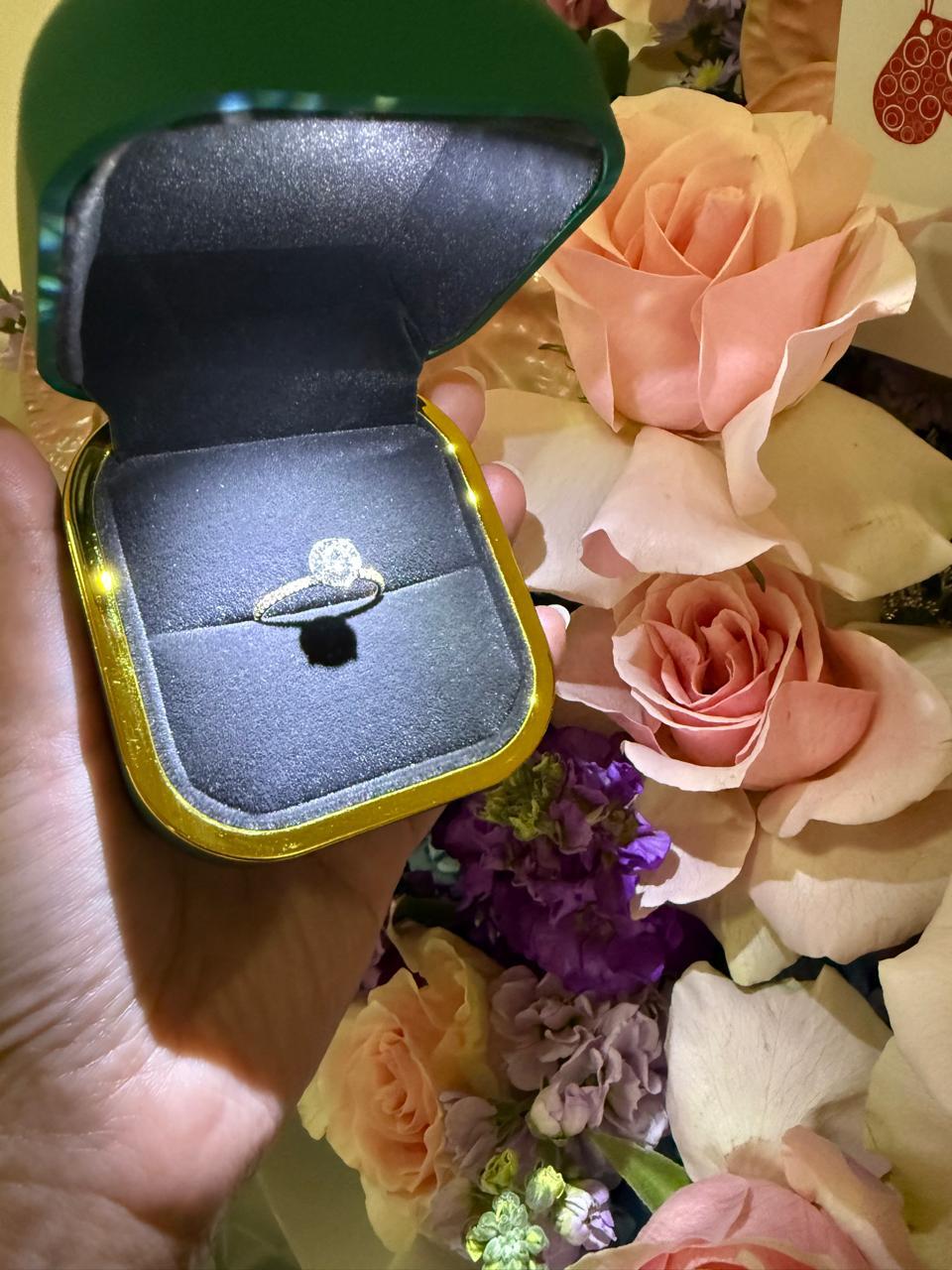
    This lab grown diamond ring features a total weight of 1.20 carats with a 1.00 carat pear-shaped center diamond and a crossover pavé band. Designed for engagements, anniversaries, or milestone gifting, it offers the same physical, chemical, and optical properties as mined diamonds while giving you a more considered modern choice.

    • 1.20 ct total diamond weight with a 1.00 ct pear lab diamond center
    • Pear shape creates an elongated look that can visually flatter the finger
    • Crossover pavé band adds extra light return and a graceful contemporary detail
    • Lab grown diamond composition matches mined diamond standards in structure and brilliance
    • Suitable for engagement wear, anniversary gifting, or a signature everyday fine jewelry ring

    The pear cut combines the brilliance associated with round-style faceting and the elegant taper of an elongated silhouette. Compared to more traditional round solitaire rings, a pear lab diamond ring offers a distinctive outline that feels both classic and individual. The crossover pavé band introduces movement and fine detail, giving the setting a soft sculptural effect without overwhelming the center stone.

    Unlike diamond simulants, lab grown diamonds are real diamonds. They are valued for their genuine crystal structure, durability, and light performance. This makes them a practical option for daily wear, especially for those seeking a fine jewelry piece that balances beauty, longevity, and a more conscious origin. The band style also pairs well with wedding bands, eternity bands, and bridal sets, making it a flexible choice for long-term styling.

    This ring suits a range of real-world moments, from surprise proposals and destination engagements to anniversary celebrations and meaningful self-purchase. Its refined profile works well for clients who want a distinctive engagement ring that remains easy to wear from day to evening. For shoppers comparing diamond shapes, the pear cut is often chosen for its elegant length, noticeable presence, and romantic point-to-curve silhouette.

    At Buvea Jewels, we focus on clear diamond details and enduring design so you can shop with confidence. If you are looking for a lab diamond ring with a 1.00 ct center, crossover pavé styling, and timeless wearability, this piece offers a polished and dependable choice.

    Information Details
    What Is Store Credit? Store Credit (also called Cashback Wallet) is a reward you earn after your order is successfully fulfilled.
    Create an Account You must create an account before placing an order so your purchases and cashback can be tracked automatically.
    First Order Cashback On your first purchase, you earn 10% cashback after the order is fulfilled.
    Earn Cashback Cashback is automatically added to your Store Credit wallet after order fulfilment.
    Where to Check Credit Account → Profile → Wallet / Store Credit
    Using Store Credit Store Credit can be used on future purchases with no minimum order value.
    Use With Discounts & Offers Store Credit can be used along with any other ongoing discounts and promotional offers.
    Second Purchase Cashback On your second purchase, you earn 15% cashback after the order is fulfilled.
    15% Cashback Usage The 15% cashback earned on your second purchase can be used on your next order.
    Example First order earns 10% cashback → second order earns 15% cashback → cashback can be used on the next purchase.

    Store Credit is credited after order fulfilment and can be redeemed on future purchases. Terms and conditions apply.

    Information Details
    Returns Policy You may return most new, unopened items within 15 days of delivery for a full refund. Return shipping costs will be covered if the return is a result of our error (incorrect or defective item).
    Refund Timeframe You should expect to receive your refund within four weeks of giving your package to the return shipper, though often it will be processed more quickly. The timeframe includes transit time (5-10 business days), processing (3-5 business days), and your bank’s refund processing time (5-10 business days).
    Return Process If you need to return an item, log in to your account, view your order under the "Complete Orders" link, and click the Return Item(s) button. We will notify you via email once we have received and processed the returned item.
    Shipping We can ship to most addresses worldwide. Some products have restrictions and cannot be shipped internationally. Shipping costs are based on weight, and weights are rounded up to the next full pound. Shipping estimates will be provided based on item availability and chosen shipping method.

    Terms and Conditions applied.

    Certificate of Authenticity

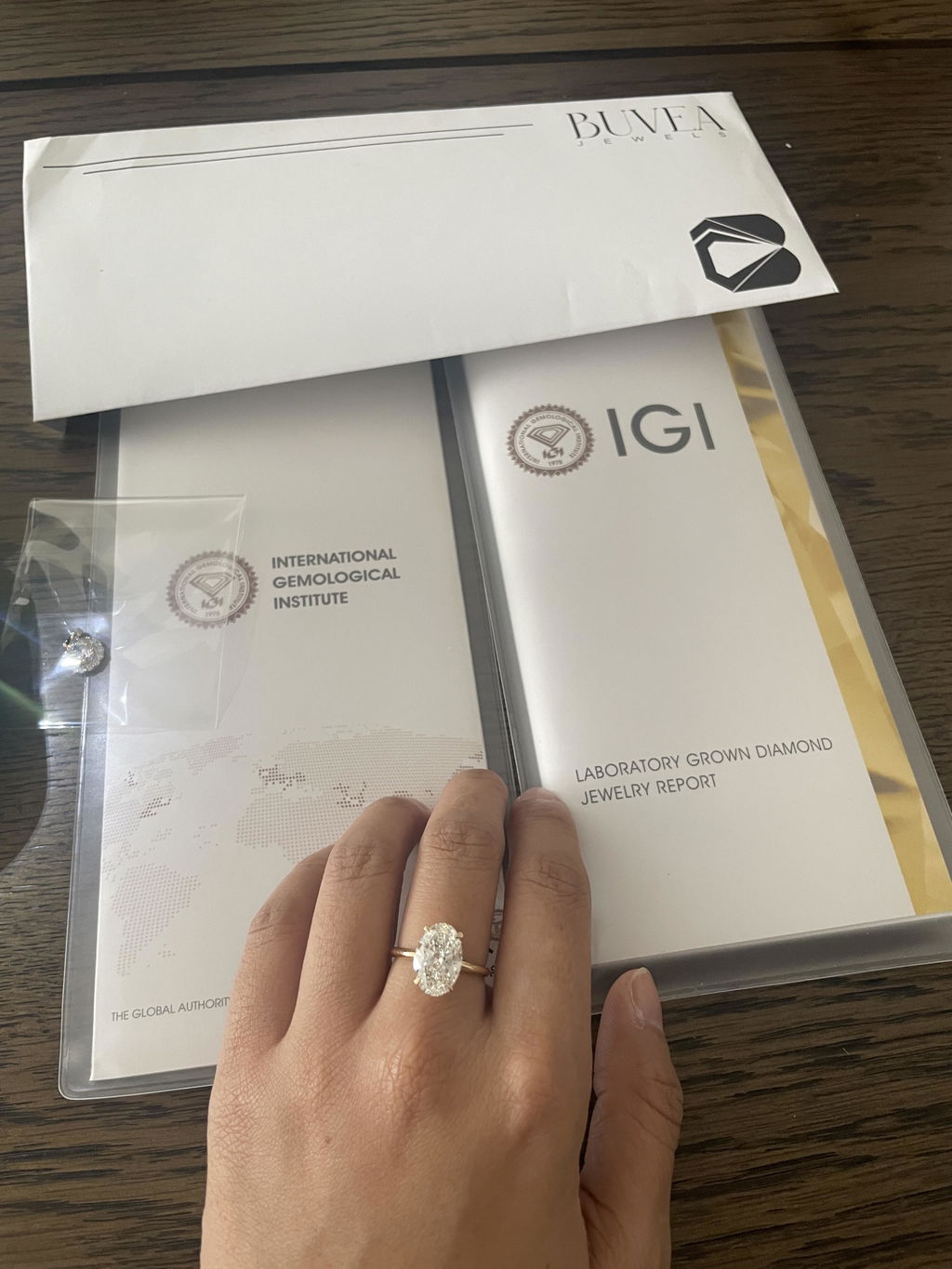
    Each piece of our jewelry is independently certified for authenticity by trusted international laboratories such as IGI or IDT.

    Information Details
    Exchange Option Customers can exchange a product.
    Deduction A 30% deduction will be applied to the invoice amount of the original product.
    Credit The remaining 70% can be used as credit toward acquiring a new product or obtaining a discount on another item.
    Timeframe The exchange or discount option must be utilized within 1 year from the invoice date.

    Terms and Conditions applied.

    Information Details
    Cash Refund Option If you choose to receive a cash refund, the company will repurchase the item.
    Deduction There will be a 40% deduction from the original invoice amount.
    Refund Amount You will receive 60% of the invoice amount as a cash refund.
    Timeframe This refund option is available if the request is made within 1 year from the date on the invoice.
    Note It emphasizes the opportunity to receive a substantial portion of the purchase price back, despite the 40% deduction.

    Terms and Conditions applied.

    1.20 ct pear lab diamond ring with 1.00 ct center and crossover pavé band

    1.20 Ct Pear With Side Pavé Band 1.00 Ct Center

    د.إ.‏5,561.00 د.إ.‏4,216.00

    Frequently Asked Questions

    Yes. Lab grown diamond engagement rings are suitable for everyday wear because lab grown diamonds have the same physical, chemical, and optical properties as mined diamonds. That means they offer the same hardness and durability expected for a ring worn daily. This style is especially well suited to regular wear if you want a statement look with refined detail. It features an elongated center stone and a crossover pavé band, which gives it brilliance and a more sculpted appearance than a plain solitaire. It is a strong choice for someone who wants elegance with a modern design language. The main tradeoff is maintenance. Pavé-set bands and pointed diamond shapes generally benefit from careful wear and periodic inspection to help keep the small stones and prongs secure. If you use your hands heavily every day, a simpler setting may require less upkeep. For most shoppers, though, a well-made lab diamond ring is a practical and lasting engagement ring option.
    The core difference is origin, not appearance or performance. A lab grown diamond is created in a controlled environment, while a mined diamond forms naturally underground. Both are real diamonds with the same physical, chemical, and optical properties. For an engagement ring, that means a lab grown diamond can deliver the same brilliance, hardness, and classic diamond look as a mined stone. In this ring, the lab grown center diamond offers that same fine jewelry presence while appealing to shoppers who prefer a more modern, eco-conscious option. Who benefits most depends on values and priorities. If you want a real diamond and care about design, sparkle, and wearability first, lab grown is often a very logical choice. If natural rarity or geological origin matters deeply to you, a mined diamond may feel more meaningful. In day-to-day use, however, the visible experience of a quality lab diamond ring is essentially the same as a mined diamond ring.
    Elongated diamond shapes are usually the best choice if you want a finger-lengthening effect. Pear, oval, marquise, and elongated radiant shapes tend to create a slimmer, more extended look because their silhouette draws the eye vertically. This ring is a strong example of that approach. Its elongated center stone and crossover pavé band create both visual length and extra light return, so it feels elegant rather than bulky. Shoppers who want something more distinctive than a round diamond often prefer this type of shape because it combines strong brilliance with a graceful outline. The tradeoff is that elongated shapes can show wear differently at the tips, especially if the design has pointed ends. That makes a secure setting and mindful wear important. If your goal is maximum finger coverage, a flattering outline, and a more fashion-forward engagement ring, an elongated lab grown diamond ring is usually one of the best categories to explore.
    It depends on what you value most. Round diamond rings are usually chosen for maximum traditional brilliance because the cut is optimized for strong, even sparkle. Pear-shaped diamond rings offer a different advantage: they combine brilliance with an elongated, elegant silhouette that feels more distinctive. A pear-style look is often ideal for someone who wants a ring that appears refined, romantic, and slightly less conventional than a round solitaire. In a design with a crossover pavé band, the shape also gains extra visual movement and light play, which enhances the overall look. The tradeoff is practicality and symmetry. Round diamonds are easier to pair with many settings and often feel more timelessly classic. Pear shapes require careful setting and alignment to look their best, and the pointed end should be protected. If your priority is classic sparkle above all, round is hard to beat. If you want sparkle plus a more elongated and expressive design, a pear lab diamond ring is an excellent choice.
    Carat weight is only one part of the decision. You should also look at diamond shape, cut quality, setting style, finger coverage, overall proportions, and how the ring fits your lifestyle. For example, a 1.00 ct center diamond in an elongated shape can appear larger on the finger than a round diamond of the same weight because it covers more visible surface area. In this ring, the crossover pavé band also adds visual presence and sparkle, so the design feels more substantial than a simple plain-band setting. You should also consider whether the ring comes with a center stone certificate, how secure the setting is, and whether the style matches daily wear habits. Pavé details and pointed shapes can be beautiful, but they may need a bit more care than a plain solitaire. The best ring is not just the biggest one. It is the one that balances beauty, wearability, shape preference, and design details in a way that suits the person wearing it.
    A crossover pavé engagement ring is best for someone who wants more design detail and extra sparkle than a classic solitaire provides. The crossover style adds movement and a sculpted look, while pavé diamonds on the band create continuous light reflection. This makes the ring especially appealing for shoppers who like romantic, modern fine jewelry rather than a very minimal setting. In this design, the crossover band frames the center stone and helps the ring feel more expressive and luxurious without needing a much larger center diamond. The tradeoff is simplicity. A classic solitaire is usually easier to pair with any wedding band and often requires less upkeep because there are fewer small stones. A pavé crossover ring is more decorative and may need periodic checks to ensure the accent stones remain secure. If you want a ring that feels elegant, feminine, and visually dynamic, a crossover pavé style is often a better fit than a plain solitaire.
    Yes, a 1.00 ct center diamond is often enough to create a substantial engagement ring look, especially when the diamond has an elongated shape and the setting adds visual impact. Carat weight alone does not determine presence on the hand. In this ring, the elongated center stone creates more finger coverage than a compact shape might, and the crossover pavé band adds extra brilliance and width. Together, those design features make the ring feel more prominent and dressy than a plain 1.00 ct solitaire. This is a particularly good option for shoppers who want balance. It offers a noticeable center diamond and a refined setting without becoming overly heavy or difficult to wear every day. The main consideration is style preference. If someone wants the most understated, classic engagement ring, a simpler setting may suit them better. But for visible sparkle, elegant shape, and a polished statement, a 1.00 ct center can absolutely look impressive.
    A pavé band can be durable for daily wear, but it generally requires more care than a plain metal band. Small accent diamonds are held in place by tiny beads or prongs, so the ring should be worn thoughtfully and checked periodically by a jeweler. In a crossover pavé design, the benefit is visual richness. The pavé stones add shimmer across the band and make the ring look more detailed and luminous from multiple angles. That is ideal for someone who values brilliance and design over extreme simplicity. The tradeoff is maintenance. If you work with your hands often, lift weights, garden, or wear gloves regularly, a plain solitaire or bezel-style ring may be lower maintenance. For most normal daily wear, however, pavé remains a popular and practical choice when treated with reasonable care. It suits shoppers who want a refined, high-sparkle engagement ring and are comfortable removing it during rough activities.
    Yes. Lab grown diamond engagement rings are often chosen by shoppers who want real diamond jewelry with a more modern and eco-conscious point of view. Because the diamond is grown in a controlled environment rather than mined from the earth, many buyers see it as a more values-aligned choice. This ring fits that preference well because it combines a real lab grown diamond with a design that still feels traditionally luxurious. You are not giving up the essential qualities people want from a diamond ring: brilliance, hardness, and a fine jewelry appearance. Instead, you are choosing a different origin. The best fit is for someone who wants beauty and symbolism but also wants their purchase to reflect contemporary priorities. The one tradeoff is emotional rather than practical. Some shoppers strongly prefer the natural geological story of a mined diamond. If that origin matters most, mined may feel more meaningful. If real-diamond beauty and thoughtful sourcing matter more, lab grown is an excellent category.
    The best way to judge wedding band compatibility is to look at the engagement ring's shape, the height of the center setting, and whether the band design leaves room for another ring to sit flush. Curved, crossover, or prominent center settings sometimes need a contoured or shaped wedding band rather than a straight one. This ring has a crossover pavé design, so pairing may depend on how closely you want the two rings to fit together. A straight eternity band can create a stylish small gap, while a curved band may follow the engagement ring more closely for a neater bridal set look. This style is ideal for someone open to a more curated stack rather than expecting every band to sit perfectly flush. The tradeoff is flexibility. A classic solitaire usually offers the easiest pairing with many wedding bands. If you love an artistic engagement ring silhouette, it is worth planning the wedding band at the same time so the final combination feels intentional and balanced.

    Exclusively crafted in-house

    Every piece begins in our own atelier, where a small team of artisans shapes your jewelry with the same care they would for their own families. No outsourcing, no shortcuts—just hands, skill, and heart working together under one roof. From the first sketch to the final polish, your jewelry stays with us, ensuring purity, quality, and trust at every step.

    Because when something is made under our roof, it’s made with responsibility. And when you choose us, you’re choosing a piece created with intention, pride, and honesty.

    Related Products

    #BUVEA JEWELS ON INSTAGRAM

    Forever & For Everyone

    Lab Grown Diamonds Education

    Round Diamond Rings: Why They Remain the Most Popular Choice

    Round Diamond Rings: Why They Remain the Most Popular Choice

    Round diamond rings remain the most popular choice because they combine high light return, balanced symmetry, and long-term design flexibility. A round...
    View details

    How Much Should You Spend on a Lab Grown Engagement Ring?

    There is no single correct amount to spend on a lab grown engagement ring. A practical budget depends on the center stone...

    What Is the Best Setting for a Lab Grown Diamond Ring?

    The best setting for a lab grown diamond ring is the one that matches how the ring will be worn, how much...

    Best Lab Diamonds: What Makes One Better Than Another?

    The best lab diamond is not defined by the word lab-grown. It is defined by measurable quality, visible beauty, and reliable grading....

    How to Compare Lab Grown Diamond Quality: Cut, Color, Clarity, and Carat

    Comparing lab grown diamond quality starts with the same four grading factors used for natural diamonds: cut, color, clarity, and carat. These...

    Difference Between Lab Grown and Natural Diamonds

    Lab grown and natural diamonds are both real diamonds. They share the same crystal structure, the same chemical composition of carbon, and...

    Lab Grown Diamond Solitaire Ring: Why This Classic Style Stays Popular

    A lab grown diamond solitaire ring remains popular because it does one job exceptionally well: it keeps full attention on the center...

    All About Gold: History, Types, Purity, and Jewelry Uses

    Gold has been valued for thousands of years because it is rare, workable, and naturally resistant to rust and tarnish. In jewelry,...

    Diamond Bracelets: How to Choose a Tennis Bracelet That Lasts

    A diamond tennis bracelet should combine durability, comfort, and consistent visual balance. The details that matter most are the setting, clasp, metal,...
    Read More
    Read More