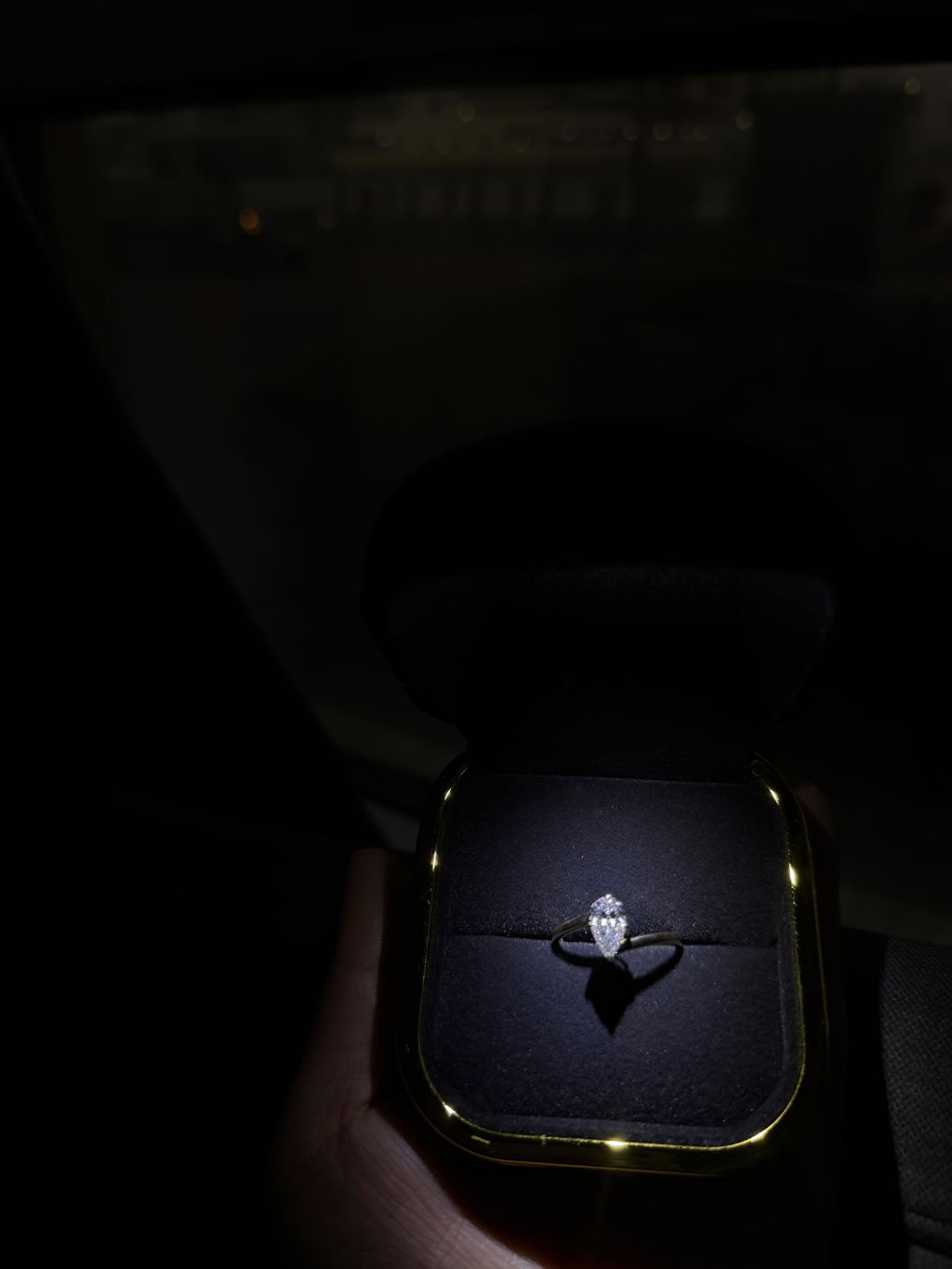
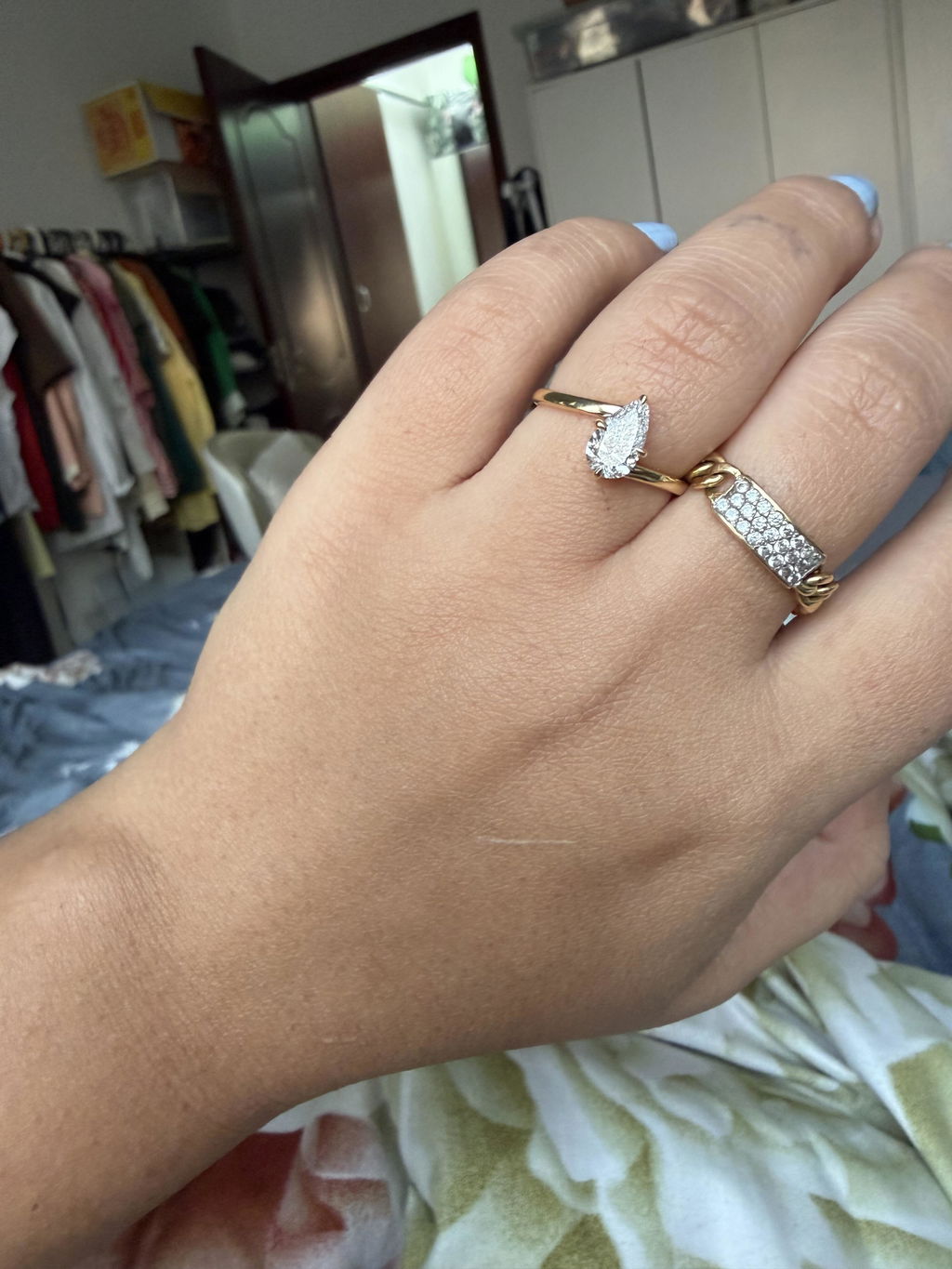
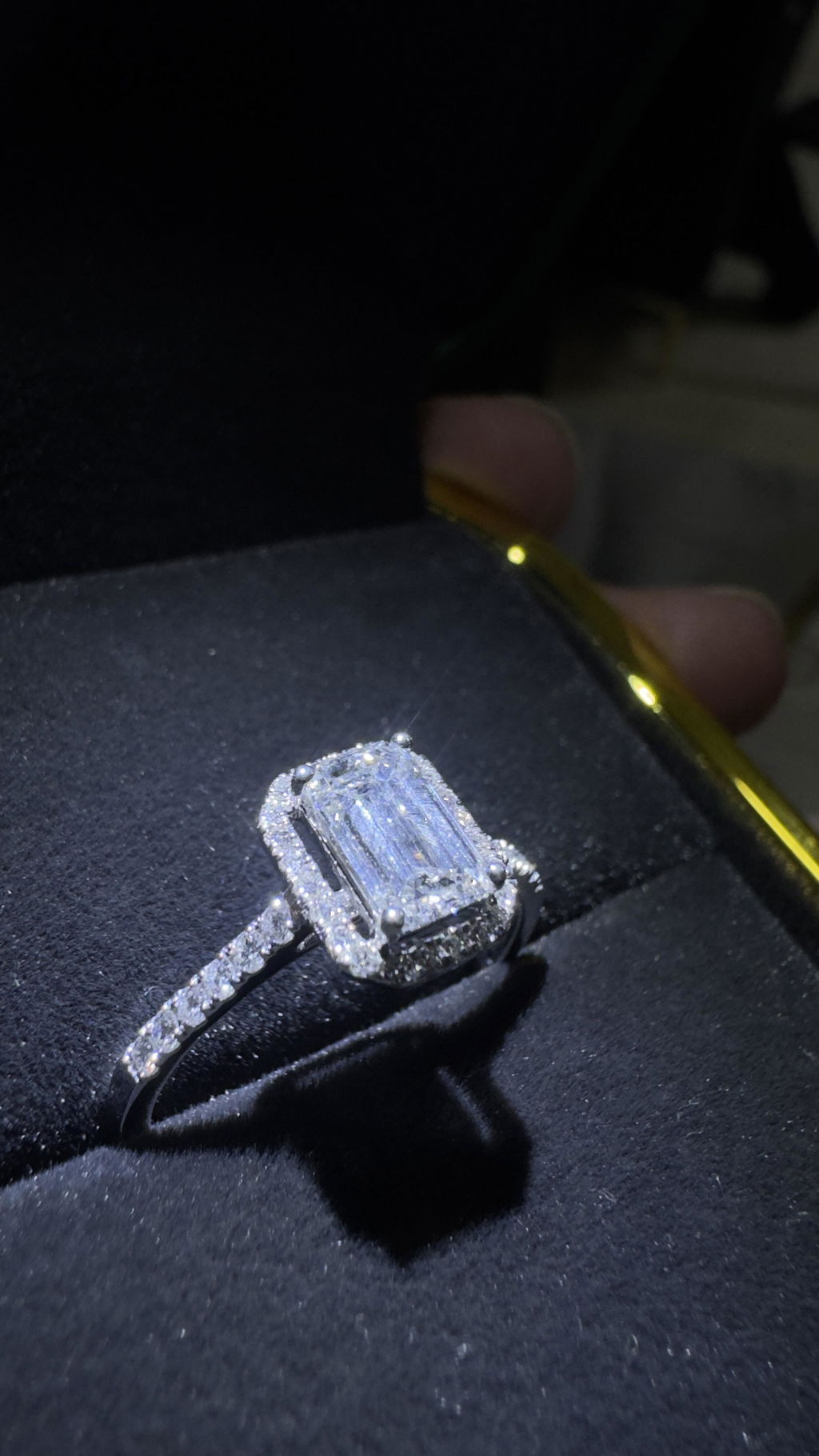
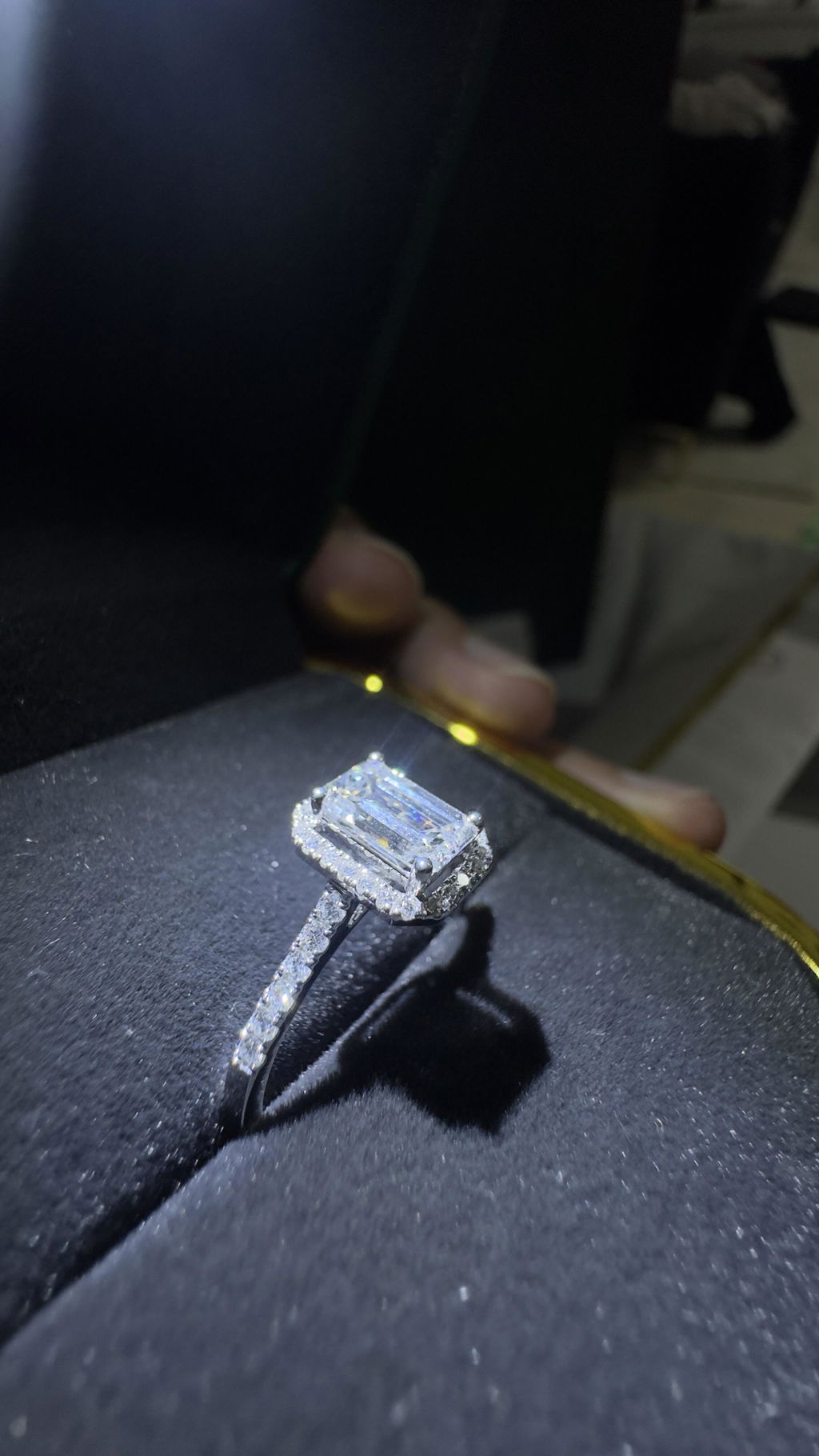
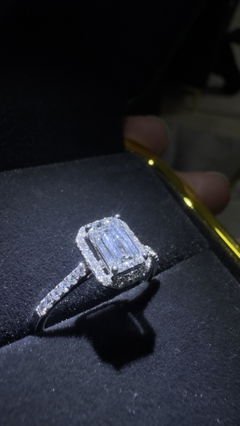
3.80 Ct Pear Solitaire With Side Stone Ring 1.50 Ct Center

Lab Grown Diamond
د.إ.‏6,963.00
د.إ.‏6,963.00
د.إ.‏11,333.00
Save 39%

Duties & Taxes Included.

coupon auto applied at checkout, Add to Cart to get this at
  • See all offers (all offers can be used together).
  • 20% OFF applied at checkout using code
    mouse-click
  • On your first purchase, earn 10% cashback — credited to your Buvea Wallet after purchase and usable on future orders.
  • On your second purchase, earn 15% cashback — credited to your Buvea Wallet after purchase and usable on future orders.
  • Free Gift Above 3000 AED - Limited Time Offer
10 customers are viewing this product
BUJ 0028
Gold Type: White Gold
Gold Purity: 10K GOLD
Ring size - Us: 5 Size chart

Subtotal: د.إ.‏6,963.00
wa-square-icon Chat With Us
×

Secure payment by

  • Visa
  • Mastercard
  • Apple Pay
  • American Express
  • Samsung Pay
  • Tabby
  • tamara
  • Estimated delivery:
    Order within 12 PM, for fastest dispatch.

    International Jewellery Certificate
    Free Shipping Worldwide
    Next Day Delivery in Dubai For In-Stock Items
    Complimentary Lifetime Jewelery Cleaning
    Easy Returns - Terms And Conditions Applied
    main Info
    Height 1.50 MM
    Width 2.00 MM
    Top View 10.84 MM
    Metal Approx. Net Weight
    Lab Grown Diamonds Total Diamond Weight
    Diamonds

    Center Diamonds


    Side Diamonds


    Gemstones

    Metal
    Purity
    Net Weight [Approx.]

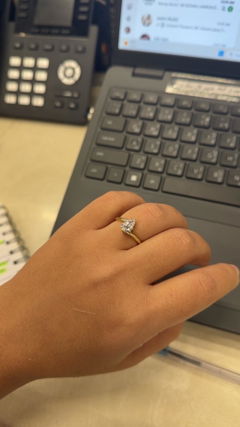
    This lab grown diamond ring is defined by a 3.80 CT total diamond weight and a structured multi-cut layout designed for clear shape contrast and balanced wear. A pear-shaped center diamond sits vertically along the band, secured in prongs that protect both the rounded end and the tapered point while keeping the facets visible. Unlike a single-shape solitaire ring, this design combines a pear center with emerald-cut and round side stones to create a more architectural profile with gradual visual movement across the top.

    • 3.80 CT total weight across pear, emerald-cut, and round lab-grown diamonds
    • Pear center stone set with defined prong placement for secure support and open facet visibility
    • Two emerald-cut diamonds on each side placed horizontally for a clean linear transition
    • Round accent diamonds beyond the emerald cuts create a measured progression from larger to smaller stones
    • Openings beneath each diamond allow controlled light entry to support even reflection
    • Lab-grown diamonds graded for cut, color, and clarity using standardized criteria

    The arrangement is built to keep the pear center as the focal point while distributing visual weight evenly from side to side. Compared to rings that rely on one matching shape throughout, the mix of curved pear, straight-edged emerald cuts, and round accents creates stronger definition from a conversational viewing distance as well as in close inspection. The band includes secure seats for each stone and precise prong positioning to support long-term structure.

    For real-world wear, this ring suits engagements, anniversary gifting, and statement bridal styling where a center stone should feel prominent without appearing isolated. The multi-shape layout also pairs well with plain wedding bands or refined eternity bands because the side stones add width and presence across the finger. For buyers comparing lab diamond rings, this design offers the scale of a 3.80 CT look with the consistency, traceable production context, and modern appeal associated with lab-grown diamonds. All stones are lab-grown and assessed under standardized grading criteria, making the ring easier to evaluate for quality, proportion, and overall balance.

    Information Details
    What Is Store Credit? Store Credit (also called Cashback Wallet) is a reward you earn after your order is successfully fulfilled.
    Create an Account You must create an account before placing an order so your purchases and cashback can be tracked automatically.
    First Order Cashback On your first purchase, you earn 10% cashback after the order is fulfilled.
    Earn Cashback Cashback is automatically added to your Store Credit wallet after order fulfilment.
    Where to Check Credit Account → Profile → Wallet / Store Credit
    Using Store Credit Store Credit can be used on future purchases with no minimum order value.
    Use With Discounts & Offers Store Credit can be used along with any other ongoing discounts and promotional offers.
    Second Purchase Cashback On your second purchase, you earn 15% cashback after the order is fulfilled.
    15% Cashback Usage The 15% cashback earned on your second purchase can be used on your next order.
    Example First order earns 10% cashback → second order earns 15% cashback → cashback can be used on the next purchase.

    Store Credit is credited after order fulfilment and can be redeemed on future purchases. Terms and conditions apply.

    Information Details
    Returns Policy You may return most new, unopened items within 15 days of delivery for a full refund. Return shipping costs will be covered if the return is a result of our error (incorrect or defective item).
    Refund Timeframe You should expect to receive your refund within four weeks of giving your package to the return shipper, though often it will be processed more quickly. The timeframe includes transit time (5-10 business days), processing (3-5 business days), and your bank’s refund processing time (5-10 business days).
    Return Process If you need to return an item, log in to your account, view your order under the "Complete Orders" link, and click the Return Item(s) button. We will notify you via email once we have received and processed the returned item.
    Shipping We can ship to most addresses worldwide. Some products have restrictions and cannot be shipped internationally. Shipping costs are based on weight, and weights are rounded up to the next full pound. Shipping estimates will be provided based on item availability and chosen shipping method.

    Terms and Conditions applied.

    Certificate of Authenticity

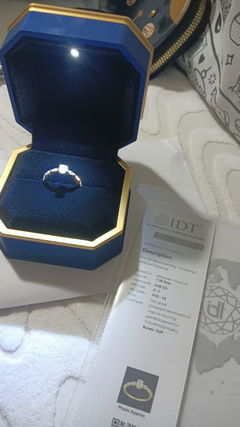
    Each piece of our jewelry is independently certified for authenticity by trusted international laboratories such as IGI or IDT.

    Information Details
    Exchange Option Customers can exchange a product.
    Deduction A 30% deduction will be applied to the invoice amount of the original product.
    Credit The remaining 70% can be used as credit toward acquiring a new product or obtaining a discount on another item.
    Timeframe The exchange or discount option must be utilized within 1 year from the invoice date.

    Terms and Conditions applied.

    Information Details
    Cash Refund Option If you choose to receive a cash refund, the company will repurchase the item.
    Deduction There will be a 40% deduction from the original invoice amount.
    Refund Amount You will receive 60% of the invoice amount as a cash refund.
    Timeframe This refund option is available if the request is made within 1 year from the date on the invoice.
    Note It emphasizes the opportunity to receive a substantial portion of the purchase price back, despite the 40% deduction.

    Terms and Conditions applied.

    4.50 CT pear center multi-cut lab-grown diamond ring with emerald-cut side stones and round accents

    3.80 Ct Pear Solitaire With Side Stone Ring 1.50 Ct Center

    د.إ.‏11,333.00 د.إ.‏6,963.00

    Frequently Asked Questions

    Yes. Lab grown diamond engagement rings are suitable for daily wear because they are real diamonds with the same hardness, optical properties, and general durability as mined diamonds. That makes them appropriate for rings worn every day, including styles with larger center stones. For everyday use, the setting matters as much as the diamond itself. This ring uses prongs to secure the pear-shaped center stone and the side stones, with structured placement designed to keep the stones stable while allowing light to enter from beneath. That combination supports both security and consistent sparkle. This style is best for someone who wants a statement engagement ring with visible shape contrast and strong finger coverage. The main tradeoff is that a multi-stone design has more edges, prongs, and surfaces to keep clean than a simple solitaire. Pear shapes also have a pointed end, so many shoppers prefer a protective setting and mindful wear during hands-on activities.
    Start with the diamond quality, the setting design, and the shape balance. For lab grown diamond engagement rings, look for clear grading standards for cut, color, and clarity, then check how the ring is built to hold the stones securely. In multi-stone designs, symmetry and spacing are especially important because uneven placement is easier to notice. This ring is a useful example of what to evaluate. It combines a pear center diamond with horizontally set emerald-cut side stones and round accent diamonds, creating a structured progression from larger to smaller shapes. The open gallery beneath the stones allows light entry, while defined prong positioning helps keep the layout secure. This type of ring suits shoppers who want a distinctive engagement ring rather than a minimal design. The tradeoff is that mixed-shape layouts are more design-sensitive than a solitaire, so buyers should pay close attention to proportions, finger coverage, and whether they prefer a soft center shape paired with geometric side stones.
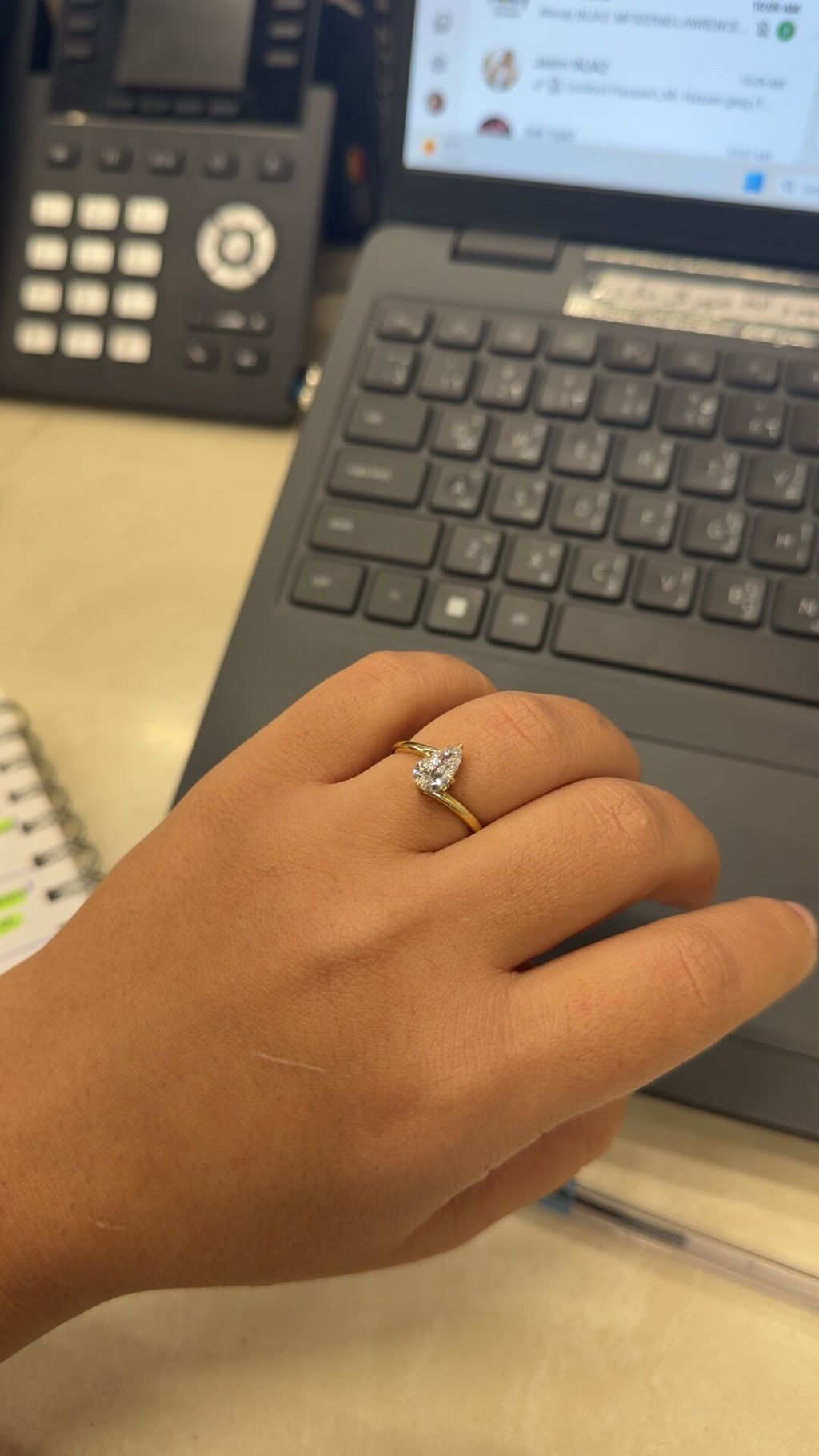
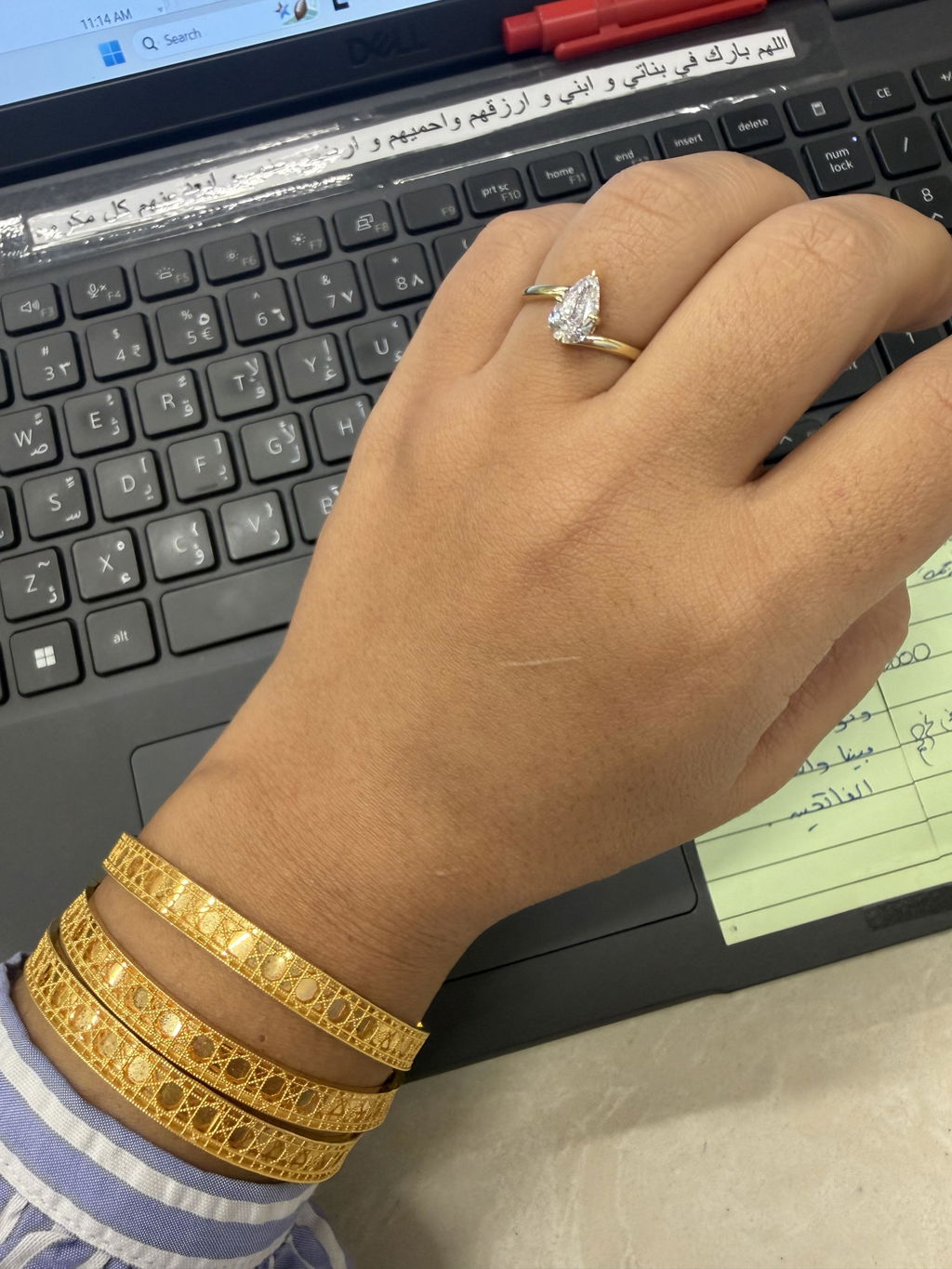
    A pear-shaped diamond ring has a rounded end and a tapered point, while an oval diamond ring has a fully curved outline with no tip. In practical terms, a pear shape often feels more directional and dramatic, while an oval usually looks softer and more symmetrical. Pear diamonds can create an elongating effect on the finger, especially when the point is aligned along the band. This ring uses that orientation, which emphasizes the length of the center stone and keeps it as the focal point. The added emerald-cut and round side diamonds then introduce contrast and visual structure that you would not typically get from a classic oval solitaire. Choose pear if you want something elegant with a little more individuality and shape definition. Choose oval if you prefer a balanced, universally classic look. The tradeoff with pear is that the pointed end needs thoughtful protection in the setting, and some shoppers are more particular about symmetry because uneven shoulders or a misaligned tip are easier to notice.
    A multi-stone lab grown diamond ring is best for someone who wants more visual detail, stronger finger coverage, and a design that highlights more than one diamond shape. A solitaire is ideal for minimalism and easy pairing, but a multi-stone ring adds architecture and a more distinctive top view. This design is a good example. It features a pear-shaped center diamond, flanked by emerald-cut diamonds and then round diamonds on each side. That arrangement creates a gradual transition in size and shape, so the ring feels balanced while still keeping the center stone prominent. This style suits shoppers who want an engagement ring with presence and clear design character. It can also appeal to those who like both soft and geometric diamond shapes and do not want to choose only one. The main tradeoff is versatility. Solitaires are often easier to match with wedding bands and simpler to maintain, while multi-stone rings require more attention to cleaning, alignment, and long-term inspection of multiple prongs.
    Yes, mixed diamond shapes can look highly balanced when the transitions are deliberate and the spacing is controlled. The key is not using different shapes at random, but arranging them so each one has a clear role in the overall composition. In this ring, the pear center stone provides the focal point and soft directional shape. The emerald-cut side stones are placed horizontally, adding straight lines that contrast with the pear's curved outline. Beyond them, round diamonds soften the transition outward and create a gradual scale change from larger to smaller stones. That structure helps the ring feel cohesive rather than busy. This approach works especially well for shoppers who want something more design-led than a single-shape ring. The tradeoff is that mixed-shape rings are less forgiving of poor proportions. If one stone family looks too large, too small, or too closely spaced, the balance can feel off. Well-executed mixed-cut rings should show clear separation, symmetry, and an obvious center focus.
    Yes. A pear-shaped engagement ring is often considered flattering because its elongated outline can make the finger appear longer and more slender. The effect is especially noticeable when the point is positioned along the band, which creates a visual line that draws the eye lengthwise. This ring uses that exact orientation for the pear center stone, then adds emerald-cut and round side diamonds to widen the top view without losing the center's elongating effect. That gives it both length and presence, which can be appealing for shoppers who want a ring that feels substantial on the hand. Pear shapes tend to suit many finger types, but they are especially popular with people who want a more distinctive look than a round or oval. The tradeoff is that the point becomes a visual focal point, so symmetry and setting quality matter. If a shopper prefers a perfectly even, non-directional appearance, a round or oval ring may feel more straightforward.
    A pear center stone can be very secure when the setting is designed to support both the rounded end and the pointed tip. That matters because the pointed end is the most vulnerable area of a pear-shaped diamond and needs proper protection without blocking too much light. In this ring, the center diamond is held in a prong structure intended to secure both ends while preserving visibility of the stone's facets. The band is also built with defined seats and prong positioning for the entire multi-stone arrangement, which helps maintain structure across the top of the ring. This is a good choice for shoppers who love the elegance of a pear shape but still want a ring suitable for regular wear. The tradeoff is that any ring with multiple stones and prongs should be checked periodically, especially if worn daily. Pear shapes reward careful setting design, and buyers should pay attention to how well the point is protected and whether the center stone remains the visual focus.
    The best wedding band for a multi-stone pear engagement ring depends on how much space the center setting and side stones occupy above the band. In many cases, a simple straight band, a shaped contour band, or a slim eternity band works well, depending on the fit you want. Because this ring has a pear center stone with emerald-cut and round side diamonds extending across the top, the profile may not sit flush with every straight wedding band. Many shoppers choose a refined plain band to keep the engagement ring as the focal point, or a gently curved band to follow the ring's shape more closely. This style suits someone who likes a layered bridal look but still wants balance. The tradeoff is that a more elaborate engagement ring gives you less flexibility than a classic solitaire when stacking bands. Before choosing, it helps to consider whether you want a perfectly flush fit, a small gap, or a curated stacked appearance with shape contrast.
    A multi-cut lab grown diamond ring usually offers more shape variation and a broader visual spread, while a three-stone ring is more structured and traditionally symmetrical. The right choice depends on whether you want a classic three-point composition or a more layered, design-driven arrangement. This ring goes beyond a standard three-stone layout. It features a pear center stone, then emerald-cut diamonds on each side, followed by round diamonds beyond them. That creates a staged progression in both shape and size, which gives the ring more texture and a more expansive top view than a simpler three-stone design. Choose a multi-cut style if you want an engagement ring with stronger personality and visible contrast between diamond shapes. Choose a three-stone ring if you prefer a cleaner silhouette and easier pairing with bands. The tradeoff is that more stones and more shape changes can make the ring feel more ornate, which may not suit shoppers looking for minimalism.
    A statement lab grown diamond ring is right for you if you want your engagement ring to have immediate visual presence, noticeable finger coverage, and a design that stands out from simpler solitaires. It should feel intentional rather than oversized for the sake of size alone. This ring is a statement style because it combines a 4.50 CT total weight with a pear center diamond and mixed side stones in emerald and round shapes. The result is a ring that offers a clear focal point, strong shape contrast, and a wide top view without losing structure. It is especially appealing for shoppers who want a refined but expressive engagement ring. The main consideration is lifestyle and personal style. Statement rings are ideal for someone who enjoys visible jewelry and wants their engagement ring to be a central part of their look. The tradeoff is that they are less understated than solitaire rings and may require more careful pairing with wedding bands and more regular cleaning to keep every stone looking bright.

    Exclusively crafted in-house

    Every piece begins in our own atelier, where a small team of artisans shapes your jewelry with the same care they would for their own families. No outsourcing, no shortcuts—just hands, skill, and heart working together under one roof. From the first sketch to the final polish, your jewelry stays with us, ensuring purity, quality, and trust at every step.

    Because when something is made under our roof, it’s made with responsibility. And when you choose us, you’re choosing a piece created with intention, pride, and honesty.

    Related Products

    #BUVEA JEWELS ON INSTAGRAM

    Forever & For Everyone

    Lab Grown Diamonds Education

    What Is a Lab Grown Diamond? Definition, Process, and Benefits

    What Is a Lab Grown Diamond? Definition, Process, and Benefits

    A lab grown diamond is a real diamond created in a controlled laboratory rather than formed underground over geological time. It has...
    View details

    Lab Created Diamond Rings: What Buyers Should Know Before Ordering

    Ordering a lab created diamond ring online can be a smart choice when you know what to check before you buy. The...

    Diamond Engagement Rings Dubai: Best Buying Guide for First-Time Shoppers

    Buying a diamond engagement ring in Dubai for the first time is easier when you separate the decision into five parts: budget,...

    Lab Grown Diamonds UAE: Where to Buy and What to Compare

    Lab grown diamonds in the UAE are best compared the same way as any fine diamond purchase: by certification, cut quality, color,...

    How to Choose a Solitaire Engagement Ring

    A solitaire engagement ring centers attention on one main diamond, so every choice matters: shape, cut quality, setting style, band design, metal,...

    Best Lab Grown Engagement Rings for Modern Brides

    Modern brides often look for an engagement ring that feels personal, practical, and visually clean while still offering lasting brilliance. In that...

    Lab Diamond Rings vs Moissanite Rings: Which Is Better for You?

    Lab diamond rings are usually the better choice if you want the same material, hardness, and classic light performance as a natural...

    Diamond Jewellery Dubai: What to Buy, How to Compare, and Where to Start

    Buying diamond jewellery in Dubai usually comes down to three decisions: what type of piece fits your purpose, how to compare diamond...

    Lab Grown Diamond Jewelry: A Complete Guide to Fine Jewelry Options

    Lab grown diamond jewelry includes rings, earrings, bracelets, necklaces, and bands made with diamonds created through advanced technology rather than mined from...
    Read More
    Read More